


If you’ve noticed more hair on your brush than usual, or a wider part or balding spots in the mirror, you’re not alone. Hair thinning and hair loss are common concerns affecting millions of people, men and women alike. Many licensed hairstylists and medical professionals are dedicated to gaining a deeper understanding of thinning hair and hair loss so they can better support those experiencing these concerns.
“Thinning hair can leave a person feeling like they’ve lost a part of themselves,” says Lana Abelev, a licensed hairstylist of 30 years at LifeSpa in Northbrook, Ill., who specializes in hair thinning and hair loss. “It can be embarrassing and frustrating, and often leads to a drop in confidence.”
Abelev has pursued additional education on hair loss and scalp health and applied that knowledge in working with clients — and for herself. “This topic is deeply personal to me because I’ve experienced thinning hair myself,” she says. “I’ve spent a lot of time researching and learning what causes it — and I love helping others with this issue because I know what it feels like to be dealing with it.”
Abelev and Jessica Fabie, a nurse practitioner at Life Time’s MIORA Performance + Longevity center in Minneapolis, Minn., answer some common questions about thinning hair and hair loss, and share their insights for dealing with these issues.
How do I know if my hair is thinning?
Before diving into the causes of thinning hair and hair loss, it’s important to understand the difference between these issues and normal hair shedding.
“Normal hair shedding typically looks like the loss of up to 80 to 100 hairs per day,” says Fabie. “This is a physiologic process reflecting the normal hair cycle. However, it’s usually not associated with visible thinning or changes in hair density or hairline.”
Hair shedding is problematic when you start to lose more than 100 hairs per day, leading to visible changes. “Thinning hair becomes an issue when you start to see visible reduction in hair volume, widening of the part, a receding hairline, patchy areas of hair loss, or more visible areas of the scalp,” Fabie explains. “You might also notice hair coming out in clumps, especially after washing or brushing.”
What causes hair thinning and hair loss?
There are many factors that can lead to hair thinning or hair loss. The most common causes include the genetic condition of androgenetic alopecia (more frequently known as pattern hair loss); telogen effluvium, a physiological condition that disrupts the hair growth cycle; hormonal changes; aging; scalp conditions; nutritional deficiencies; certain autoimmune diseases; endocrine disorders; and chronic systemic illness.
Androgenetic alopecia is a common, chronic form of hair loss in both men and women that is caused by a combination of genetic predisposition and the effects of androgens (testosterone), particularly dihydrotestosterone (DHT), on hair follicles in certain areas of the scalp.
“DHT shortens the growth phase of the hair cycle and causes hair follicles to gradually shrink, producing progressively thinner and shorter hairs over time,” says Abelev. “This can lead to visible thinning and, for men, a receding hairline and balding at the crown. For women, it typically causes diffuse thinning over the crown.”
Telogen effluvium is hair loss triggered by physiological or emotional stress like illness, surgery, childbirth, major psychological stress, rapid weight loss, or certain medications.
“Telogen effluvium is the fancy term for a premature shift of a large number of hair follicles from the anagen (growth) phase into the telogen (resting) phase,” Fabie says.
“When large numbers of hairs are out of the growing phase and in the resting phase, they tend to all fall out and shed at the same time, which can make your hair look thinner or like it’s falling out.”
Postpartum is one event that can lead to telogen effluvium, and therefore hair loss; it typically occurs three to six months after childbirth. “This phenomenon is triggered by the abrupt hormonal changes following delivery, specifically the sudden drop in estrogen, which causes a large number of hair follicles to shift from that growth phase into the resting phase, resulting in diffuse hair shedding,” Fabie explains.
Stress — whether from illness, emotional strain, or other issues — can also trigger telogen effluvium by upsetting the normal hair growth cycle. “When you’re stressed, your body releases certain hormones and chemicals like norepinephrine and cortisol that can push hair follicles out of the growing phase and into the resting phase too early,” says Fabie. “This can reduce hair cell growth and cause inflammation, all of which lead to increased hair shedding.”
Hormonal changes, particularly those related to menopause, can lead to decreased estrogen and relative androgen excess, which can affect hair follicle cycling and result in hair thinning, decreased hair density, and changes in hair texture in women. Thyroid imbalances like hypothyroid or hyperthyroid can also cause hormonal fluctuations and lead to variances in hair growth.
Aging can contribute to hair thinning through cumulative effects on the hair follicle environment, including reduced follicle size, altered hair cycle dynamics, and changes in scalp skin structure. “As we age, hair growth slows down, hair follicles shrink, and we can experience hormonal changes that lead to thinner, weaker hairs,” says Abelev.
Scalp health is critical to the health of your hair. “The condition of your scalp plays a major role in whether your hair grows thin or thick, strong or fragile. Understanding and treating scalp issues is a key part of achieving long-term hair health and volume,” Abelev says.
“Scalp health directly influences both the quality and retention of hair fibers,” says Fabie. “Disruption of the scalp barrier through increased oxidative stress and/or chronic inflammation can impair the environment necessary for optimal hair follicle function, leading to compromised hair growth and increased fragility of emerging hair shafts. For example, scalp conditions such as seborrheic dermatitis and dandruff are associated with increased oxidative damage, which can cause weaker, more brittle hair that is prone to accelerated shedding and breakage.”
Nutritional deficiencies can play a role in the health of your hair too. “Deficiencies in key micronutrients associated with hair health can lead to thinning or loss,” says Fabie. “Iron, vitamin D, zinc, and B vitamins have all been linked to both androgenetic alopecia and telogen effluvium.
“A balanced diet rich in essential amino acids (protein), vitamins, and minerals is important to keep your hair healthy,” Fabie adds. “A lot of people don’t get enough protein to support healthy hair growth. Additionally, routine laboratory evaluation for iron status (including ferritin), vitamin D, zinc, and B12 can be helpful for patients with unexplained hair loss, along with tailored supplementation to correct documented deficiencies.”
Thyroid dysfunction is indicated in hair thinning and loss, too. While hypo- or hyperthyroid can cause hormonal fluctuations that contribute to hair loss, these dysfunctions can go deeper. “When thyroid levels are off — too high or too low — it causes a disruption to the growth cycle” Fabie says. “This can cause hair to stop growing too soon and shift into the shedding phase, leading to more hair loss. This is more prominent in hypothyroidism (underactive thyroid).”
Acute febrile illnesses, including severe infections like COVID-19, have been known to cause hair loss in some cases due to the stress they put on both the body and mind. “The [COVID-19] infection causes high fever, low oxygen levels, and inflammation, which can push hair follicles out of the growth phase and into the resting phase too early,” says Fabie. “This can lead to noticeable hair shedding about one to three months after getting sick.”
Certain medications can also affect hair growth as they may disrupt the growth cycle. “Blood pressure medications and GLP-1 medications are known for leading to hair thinning or hair loss,” says Abelev. “I’ve seen many clients lately who, after speaking with their medical providers, have determined their hair loss is stemming from using a GLP-1 medication.”
Additionally, strong medications and treatments — especially chemotherapy — can quickly eliminate fast-growing cells, including hair cells. Cancer cells are the target, but healthy hair cells can also suffer; this is what leads to hair loss in this case.
Who can help with thinning hair or hair loss issues?
In determining the cause of hair thinning, it can be helpful to consult a range of professionals, including a haircare specialist and your medical provider. Many hairstylists have dedicated time to studying hair loss to better support and guide their clients, while a medical doctor can help determine if any underlying health issues are affecting your hair.
“If I can help someone understand why their hair is thinning and show them what they can do to achieve thicker, fuller hair, I know I’m doing more than just styling — I’m helping them feel more like themselves again,” says Abelev. “Many people often feel uncomfortable talking about their hair loss, but it is their hairdresser who is usually the first to hear about the issue.
“For someone expressing hair loss concerns, I would feel their strands to better understand the hair and decipher the type of hair loss. Are the strands thinner, or are there less stands? Is the scalp healthy? I would also ask about prescription medications, lifestyle, diet, and current stresses to determine if this may be a temporary condition or more permanent. In some cases, we can find a cause quickly and I can offer solutions. If it appears to be connected to a medication or condition, I will advise them to speak with their healthcare provider. From there, we can consider possible cosmetic solutions to help deliver the look of fuller hair.”
Fabie would conduct a similar analysis, as well bloodwork to look for certain nutrient deficiencies. This is also helpful when addressing those who want to try one of the many hair growth supplements they are seeing on social media.
“Some of these drugs and supplements can be beneficial, but there are way too many companies that rely on strong marketing and don’t ultimately offer results, so it is important to do your homework and talk to your medical provider before starting anything,” says Fabie. “Supplements may promote hair growth in individuals with documented deficiencies or specific types of hair loss, but routine supplementation is not universally recommended.
“If you’d like to try a supplement, first talk to your healthcare provider to pinpoint your nutrient deficiencies and to discuss the evidence-based micronutrients — such as iron, vitamin D, zinc, and certain amino acids — that can potentially help hair growth,” she advises.
“For patients without deficiencies,” Fabie continues, “the benefit of supplementation isn’t as clear and therefore relying on a pill to fix the problem may not work in one’s favor.”
4 Styling Tips and Tricks for Thinning Hair
It takes time to address the causes of hair thinning, yet there are several hairstyling strategies that can help you feel more confident in the meantime.
Consider hair extensions. “Hair extensions can be a great solution for women and men experiencing thinning hair and wanting to create a fuller, more voluminous look,” says Abelev. “For example, two- or three-inch extensions can be added to hair to give the look of additional fullness near the scalp. “The right application for you depends on several factors, including your hair type and goals, and what you can realistically maintain at home.”
Abelev stresses the importance of working with a haircare expert who understands the why behind your decision to get hair extensions and the goal you’re seeking to achieve. “Not everyone is a good candidate for extensions when hair thinning is involved,” she explains. “The most important factor is scalp health — you need a healthy scalp that can support the added weight and tension of extensions. [Extensions] cannot be applied to hair that is actively shedding, as this can lead to tension alopecia, a condition that causes further hair loss.”
Abelev recommends booking a consultation with a licensed hairdresser who has at least five years of experience — so they have longer exposure in the industry to understand more types of hair loss and how to help — and is certified by a reputable extension brand. She also suggests doing your research: “Read reviews, check their professional Instagram or portfolio, and don’t be afraid to ask about their certifications.”
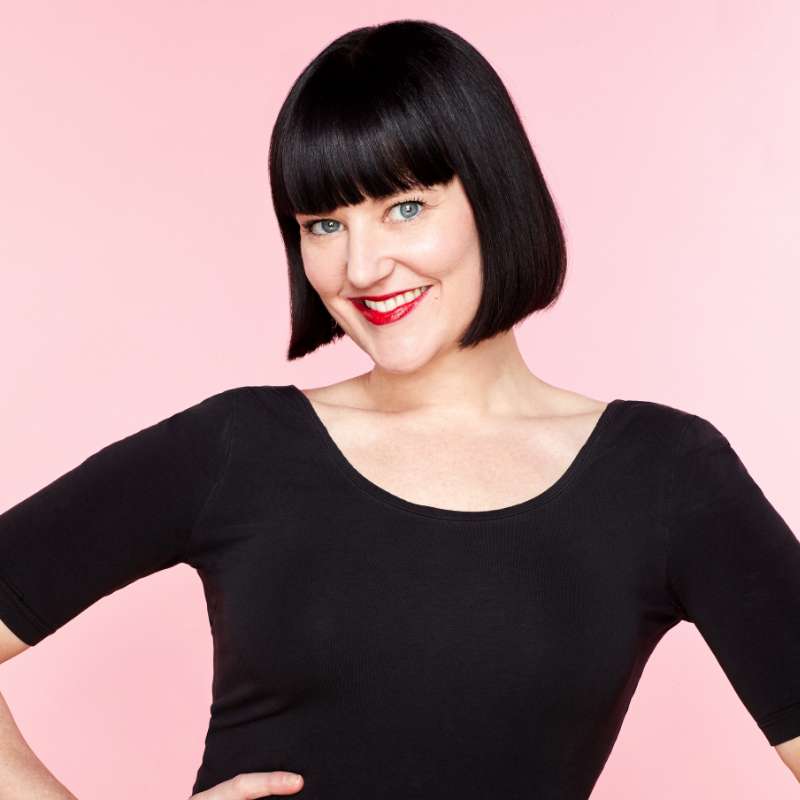
Opt for shorter hairstyle. For those who are not good candidates for hair extensions or are looking for a different option to create the illusion of thicker strands, Abelev is an advocate for shorter styles like a bob or a lob (long bob).
“When the hair is shorter, it can appear more voluminous and bouncier,” she says. “Styles that go past the shoulders often look thinner because the length is weighted and can flatten the hair.”
Use volumizing hair products. Thin hair can benefit from volumizing hair products to build lift and expansion for both men and women. “I like to use the Oribe Maximista Root Lifter, which is great for styling the hair while boosting lift from the scalp,” says Abelev. “I also like Densifique from Kérastase as it coats the hair and helps plump up individual strands and add fullness. Both products help give the hair more body and hold, so your voluminous style lasts longer.
“A volumizing shampoo and conditioner can also help you achieve a thicker, more lifted look,” she adds. “I love the Densifique line from Kérastase, and it’s important to use both the shampoo and conditioner together for the best results. Be sure to apply the conditioner only to the mid-lengths and ends — not the roots or scalp — to avoid weighing the hair down.”
Abelev points out that using conditioner is especially important when working with volumizing shampoos, because these formulas are designed to have a drying effect to help create that lifted, fuller look. “Using the conditioner helps to soften the hair shaft while it plumps up the strands,” she explains.
Style in waves or curls. Abelev suggests styling thin hair in beach waves, curls, or any textured look. “Straight hair tends to highlight thinning areas, while a textured style helps to plump up the hair making it appear fuller,” she says.
“If you are using hot tools to create waves or curls, be sure to apply a thermal protector product prior to using the hot tool so your strands are protected from the heat and to prevent further damage.”