




Another potent antioxidant, vitamin C is found throughout the body, but concentrations in the aqueous humor — the clear liquid in front of the eye’s lens — are up to 70 times greater than in plasma. This points to vitamin C’s importance in protecting the eyes from free-radical damage.
The lens is a unique structure in our bodies, says Anshel. “It requires oxygen to grow but has no blood supply because you can’t see through blood. The lens needs to be transparent so light can reach the retina.”
As we age, the lens continues growing — and as it grows, it thickens. The thicker the lens, the less flexible it becomes, which is why we lose the ability to focus on things up close, he notes.
And without a blood supply, the lens must get all its nutrition through the aqueous humor.
Scientists suspect that the vitamin C in the humor shields lenses from UV damage, which in turn helps prevent cataracts, the leading cause of blindness worldwide.
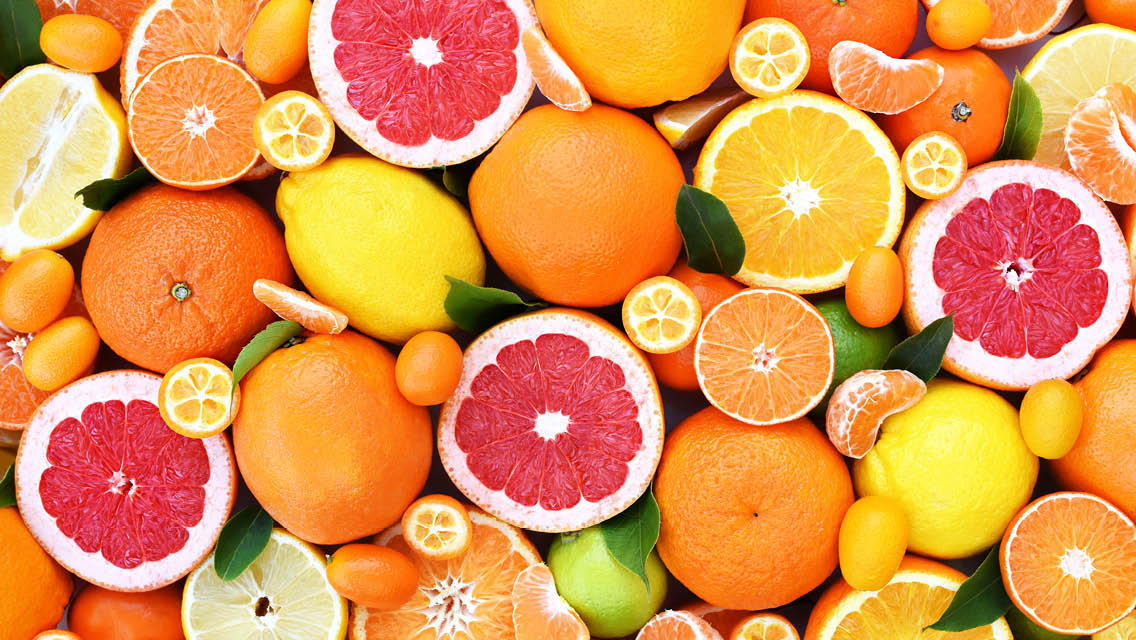
Reaching the recommended 200 mg of vitamin C daily is easy if you eat at least five servings of vegetables and fruits, especially citrus, tomatoes, bell peppers, and kiwi. Since the body cannot absorb more than 250 mg of vitamin C a day, anything more than that will be flushed out in the urine.
(Vitamin C is an essential nutrient that supports nearly every aspect of health. Learn more at “What You Need to Know About Vitamin C.”
→ Best sources: Citrus, tomatoes, bell peppers, and kiwi
→ Most important effect: Protects the eyes from the sun
Eating for Eye Health
Food plays a big role in sustaining our vision — and carrots are just the beginning. Discover the best nutrients for eye health at “How to Eat for Eye Health,” from which this article was excerpted.


This Post Has 0 Comments